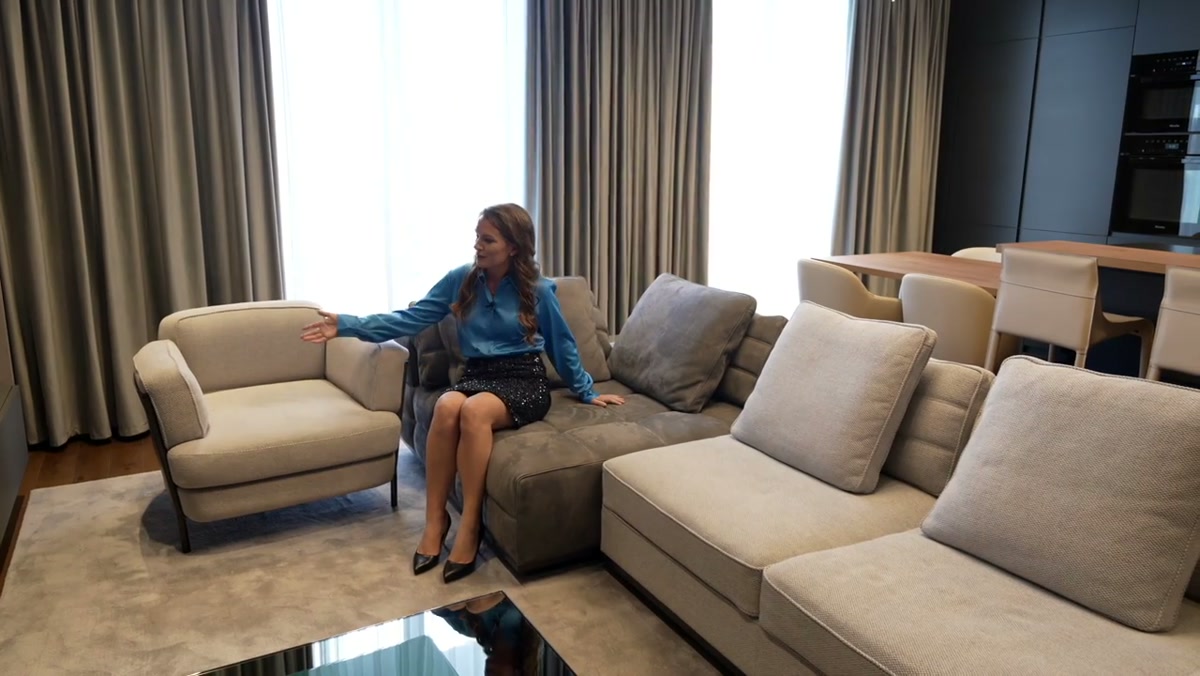
When people compare furniture from China and Europe, they usually argue about design. In practice the difference is more often in the finish: the same silhouette can be made of natural stone and lacquered veneer, or of film and composite. Here's what Chinese factories can really do and what to look for in a specification.
Electroplating: rose gold and aged brass
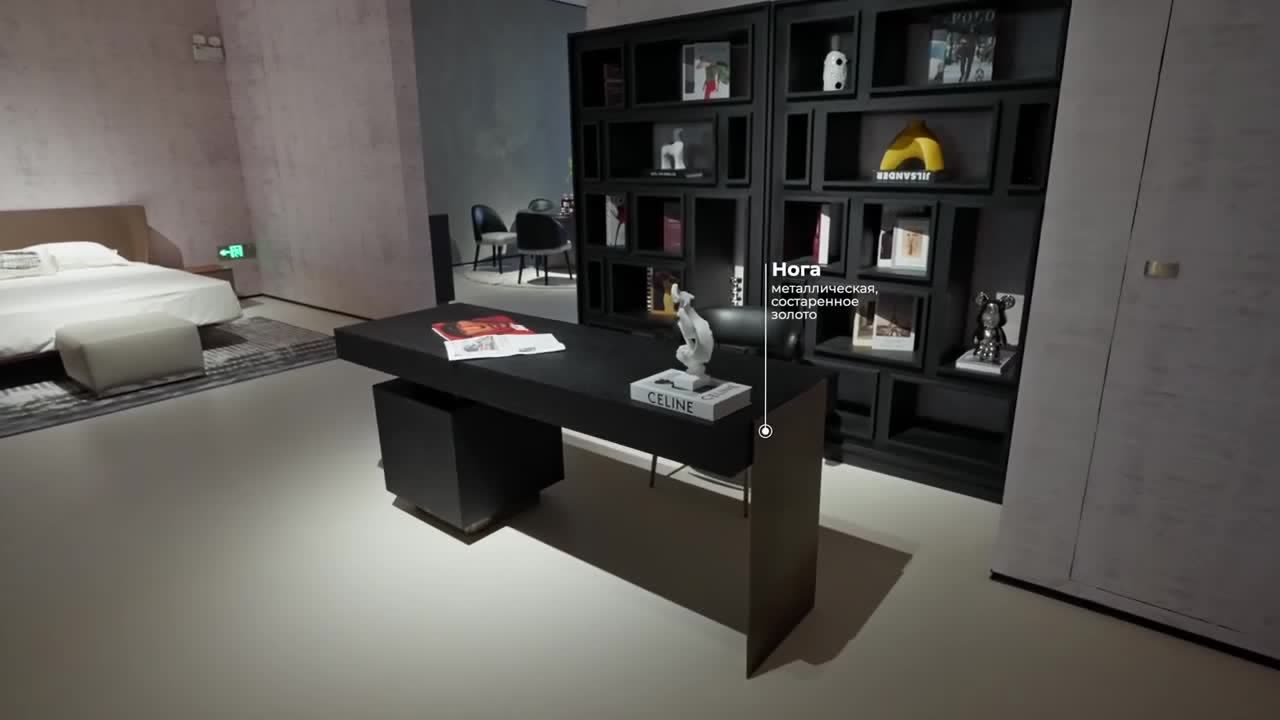
Electroplated finishes — rose gold, gold, silver — are made at specialised plants. In fact, only the Italians and the Chinese produce such pieces: nowhere else has this industry at the necessary scale.
It's important to tell two processes apart. Electroplating is a coating applied in a bath — durable and deep. Spray coating is a thin decorative layer that wears off on corners and handles within a couple of years. In a specification these are different lines, and you should ask directly.
Cast brass is a separate story. Chairs and bases are cast in moulds: the piece comes out heavy, and that's not a flaw but a sign of quality. A light "brass" chair is almost always painted metal.
Stone: quartzite, travertine, marble
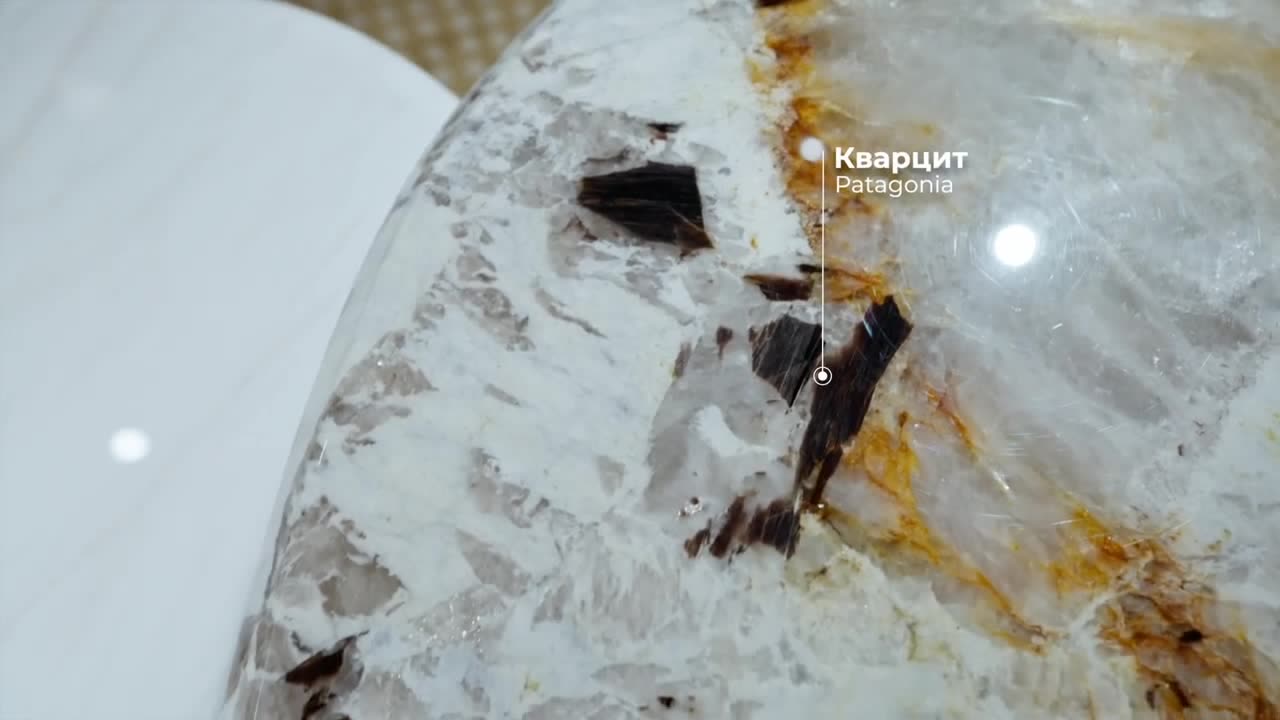
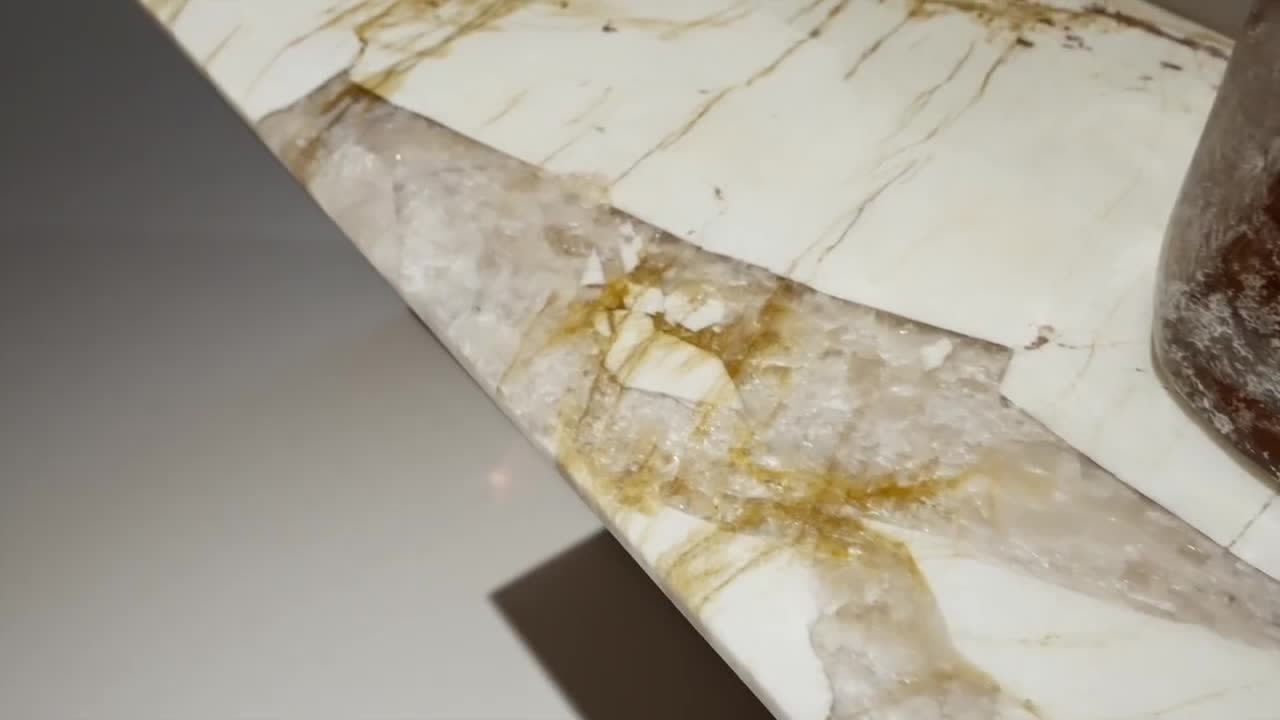
Quartzite. Patagonia is used often — there is a lot of this stone in China, so it doesn't push the price up the way it does in Europe. The pattern is natural; every tabletop is unique.
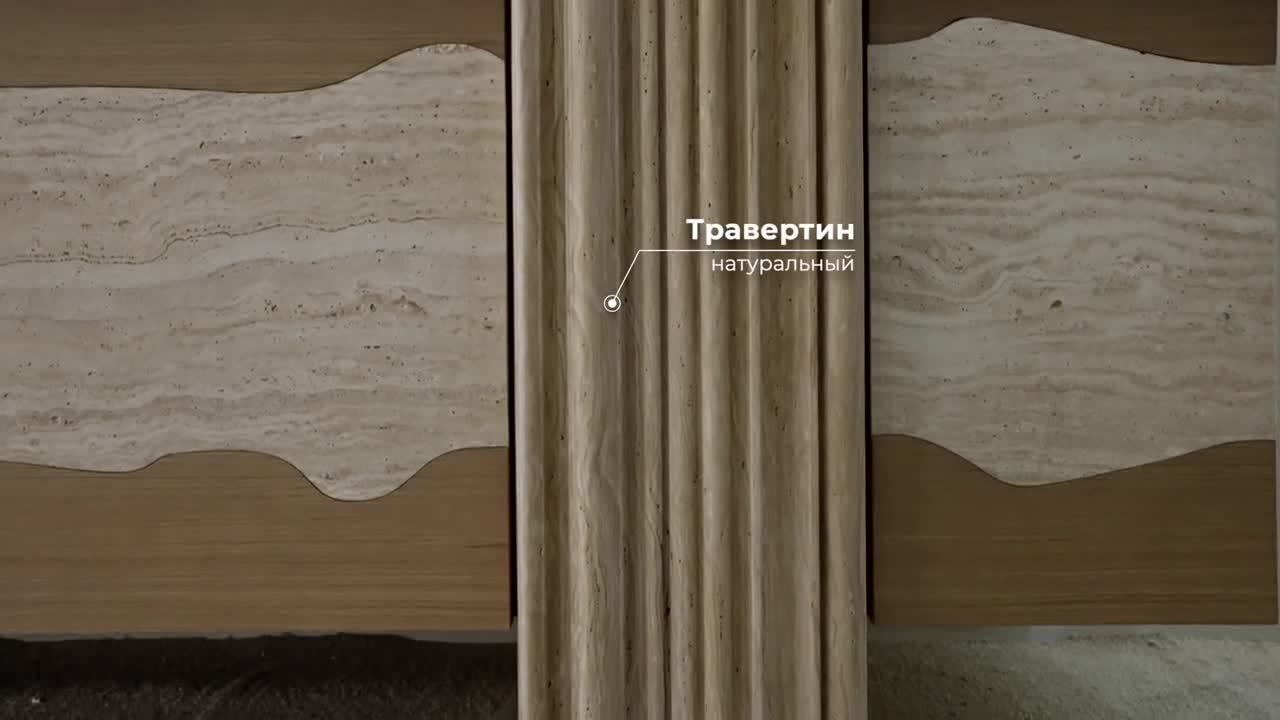
Travertine. On fronts it is laid in a 3-millimetre layer. That doesn't make the front impossibly heavy, but it looks like solid stone. German hinges are used — cheap hardware won't hold on 3-millimetre stone.
Marble. A solid slab on a stone base is the heaviest thing you can order. Such a table weighs over 200 kilograms, and the only real difficulty is getting it into the house. The factory price of such a piece is about 69,000 yuan.
Sintered stone. An alternative to marble if you don't want a porous surface that needs care. Factories use it both indoors and outdoors: on outdoor furniture, ceramic and stone tabletops are more common than wooden ones.
Tabletops are cut on CNC machines, usually at a separate plant, so a complex shape doesn't add cost the way hand cutting does.
Veneer and paint
Veneer is coated with a deeply tinted lacquer: the grain becomes three-dimensional and sparkles in places. Any color can be chosen — the showroom version is an example, not a limitation.
Paints and lacquers at good factories are Italian, water-resistant and eco-based — the same formulations used by the top segment of European factories. This isn't marketing: the manufacturer has a display board with the product codes, and you can ask to see it.
It's also worth asking about milling. Chinese factories have very advanced cutters and make wood solutions that in many countries are either impossible to produce or prohibitively expensive.
Metal: stainless steel and hot printing
For cabinet furniture made of stainless steel, the grade matters: 304 is the best of the common grades — it isn't afraid of moisture and lasts for decades. Fronts combine steel with natural veneer or a hot-print imitation of it — visually the difference is minimal, but in price it's noticeable.
Wood outdoors
Teak is coated with a protective layer, but it still turns grey over time — that's normal for this wood. After three years in the open air it takes on an even grey tone and looks nobler than new. If you're ordering outdoor furniture with a teak frame, plan for this in the project from the start rather than being surprised later.
One check that tells you everything
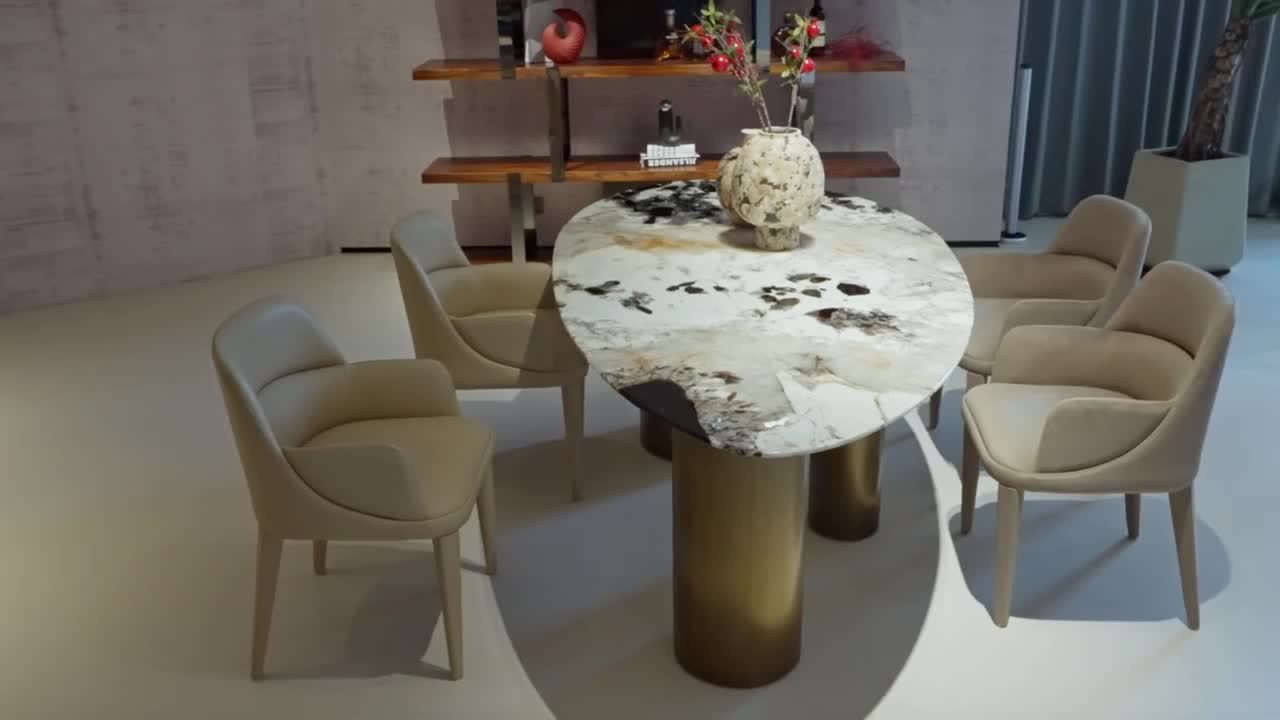
Look inside and underneath. With a good manufacturer, every piece in the collection is made entirely of the same material: the tabletop is finished the same way as the body, and inner surfaces aren't swapped for something cheaper. This is where corners are cut most often — and it's exactly what you can't see in a catalog photo.
Send us a list of items or your design project — we'll put together a specification with specific materials and calculate the cost including production and delivery. An estimate of 15 items is free.